There is a special type of bliss in listening to a knock on the door and locating a fresh bag of beans waiting on the floor covering. Coffee beans delivered to your doorstep feel like a little triumph against mayhem. You did it. You kept in mind to reorder prior to you ran out. Currently comes the component that separates the laid-back sipper from the quietly stressed: how you store those beans once they arrive.
Coffee storage space is one-third physics, one-third good sense, and one-third the capability to overlook the sexy but misleading guidance on product packaging. You can remove café-level taste out of a humble pour-over in the house if your beans are saved well. You can also ruin a lovely microlot with a week of careless behaviors. Allow's maximize those deliveries.
Freshness isn't a number you print on a bag
Open most coffee bags and you'll see 2 dates. One is a finest by day, which tells you absolutely nothing beneficial. The other, the roast date, is the crucial one. Whole beans generally strike their stride after they've rested a bit post roast. For the majority of medium roasts, that wonderful area is around day 3 to day 14 after toasting. Light roasts frequently require a couple of even more days to degas and relax, anywhere from day 5 to day 21. Dark roasts have a tendency to peak a little earlier.
The goal is not to consume alcohol all your coffee on day 7. The goal is to handle what you purchase and just how you store it so the majority of your mugs land inside that home window of height flavor. If you get coffee beans delivered on a regular cadence, match the distribution frequency and bag size to how quickly you really drink them. I seek advice from for a little roaster, and the largest leap in client satisfaction came when we assisted individuals change from one 2.2-pound bag a month to two 12-ounce bags every two weeks. The coffee didn't alter. The timing did.
Oxygen, light, heat, and time: the four culprits
Roasted beans are like bread. They are wonderful, complicated, and always trying to stagnate. The villains are oxygen, light, warm, and time. Wetness belongs in the discussion, yet typically as a partner, not the arc nemesis.
Oxygen is the fast-acting flavor thief. It responds with the oils and aromatics that make coffee taste active. If your storage space plan doesn't limit air direct exposure, the remainder of your efforts are a garnish. Light does its own silent damage by increasing oxidation and degrading volatiles. Warm speeds up every unwanted response, which is why a jar beside the stove turns excellent beans into numb beans. Time is relentless. Also in optimal conditions, coffee loses a few of its glimmer as the days pass. Your task is to slow down the decline sufficient that every cup you brew tastes like a choice, not a compromise.
What the bag is trying to tell you
Most retail bags have a one-way shutoff and a zip seal. The valve lets carbon dioxide retreat after toasting while restricting air getting in, and the zip assists once you open the bag. The bag is not a vacuum cleaner chamber, but a respectable one can bring beans with their very first week without drama. If you're mosting likely to consume alcohol the bag within 2 weeks, and you reseal it meticulously and maintain it shady, you're doing fine.
If you buy from a roaster that uses Coffee Beans Delivery with compostable paper-style bags, recognize that "compostable" often suggests a weaker oxygen obstacle. That's the compromise. I love the sustainability press, yet if you're extending a bag over 3 or 4 weeks, decant into a container with a tried and tested oxygen barrier. You can still reuse the love of the product packaging in your mind while you save the beans someplace a lot more practical.
Pantry location matters more than you think
I have actually seen individuals place a lovely airtight container right over their stove. It looks excellent, and it ensures dissatisfaction. Situate your beans the method you 'd put a great olive oil: amazing, dark, and out of the draft. A shut cupboard far from devices that vent warmth is suitable. If the place is comfortable to touch after you run the oven for 30 minutes, it's most likely risk-free. If it's cozy, move the beans.
Avoid the kitchen counter alongside a sunny window. Direct light raises temperature and damaged aromatics. That glass jar looks chic for a week, then you start wondering why your Ethiopian all-natural tastes like yesterday's toast.
The freezer argument, settled with nuance
This is the part where coffee discussion forums have buried relationships. Can you freeze coffee? Yes. Should you? That relies on your timeline and your habits.
Freezing whole beans is a powerful method to pause staling if you won't complete them within 2 to 3 weeks. The method is to ice up in tiny, impermeable parts so you just thaw what you'll utilize in a few days. Believe 30 to 60 grams per parcel for a manual brewer, 100 to 150 grams if you make a pot. Double-bag or use vacuum-sealed bags to prevent freezer melt and moisture creep. I keep a little roll of 4-by-6 inch vacuum bags and portion a brand-new 2-pound delivery into 2 weeks of kitchen coffee and the rest into the freezer. It takes 10 minutes and saves a dozen disappointing mugs.
Here's the nuance: never ever freeze beans you'll open up consistently. Whenever you pull a big container in and out of the fridge freezer, warm moist air condenses on the cool beans. Wetness sneaks in, and the surface area goes from crisp to clammy. That's just how you obtain flat taste and inconsistent grind. If you dedicate to cold, commit to small, single-use parcels.
Thawing is simple. Bring the sealed pouch to space temperature prior to opening it, normally 30 to 60 mins. That stops dampness from condensing on the beans. If you're quick-tempered and make use of the beans slightly awesome, many grinders won't mind, and you might even see a cleaner fragment circulation for coffee. Just avoid opening up cool packaging in a damp kitchen.
Containers that really work
You can spend a lot of money on storage that not does anything. You can also spend modestly and get near-lab-level efficiency. What issues is the oxygen barrier, the seal quality, and how you utilize it.
Opaque cylinders with limited silicone gaskets are solid for short-term storage. The fancy options with a vacuum pump or a lid that pushes air out as it shuts help expand quality, especially when the bag hits the two-week mark. Glass looks wonderful, but unless it has a UV-blocking color and lives in a cupboard, it's a liability.
Mason containers can function if you load them close to the border, include a food-safe oxygen absorber package, and maintain them in the dark. Simply bear in mind the gasket is not immortal. After a year or two of usage, examination the seal by closing it on a piece of paper. If you can draw the paper out quickly, change the ring.
What about leaving beans in the initial bag? If it has a proper one-way valve, a metallized liner, and a zip that really seals, it's adequate for the very first couple of weeks. Roll the top down to push excess air out before zipping. If you intend to obtain fussy in the most effective method, slide the secured bag into a snug second container to protect it from light and temperature level swings. That's not overkill. That's regard for your palate.
Grind timing: the biggest bar you control
If you're reading this, you most likely recognize that entire beans maintain much longer than ground coffee. However it bears duplicating since it is the solitary easiest win. Grind what you require right before you make. Thirty minutes after grinding, you've currently given up a noticeable portion of unpredictable aromatics. 2 hours later, you've lost the high notes entirely.
If you need to pre-grind for convenience, portion small amounts and keep them in airtight, nontransparent containers, then utilize them within a day or two. Don't pre-grind a week's worth and anticipate anything resembling a nuanced cup. I did the experiment for a customer training: very same beans, exact same brew approach, fresh grind versus coffee ground two days prior and kept well. The fresh mug had a clear berry note and a clean coating. The 48-hour mug tasted like a shrug.
Calibrating distribution to your alcohol consumption habits
The entire guarantee of Coffee Beans Delivery is that you can drink far better coffee without preparing your life around restocking. The catch is purchasing excessive. Determine your pace. If you drink two 12-ounce cups every early morning, that's about 40 to 50 grams of coffee per day, relying on toughness and approach. Call it 350 grams a week. If you get coffee beans delivered every 2 weeks, a 12-ounce bag is cutting it close, and a 1-pound bag provides breathing room. If you get a 2-pound bag for a single person, you've simply made your fridge freezer part of the operations, which is fine if you part and label.
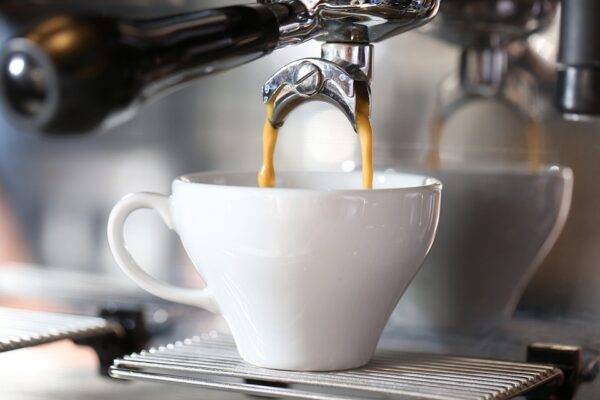
Some Gourmet Coffee Beans Delivery services will let you split shipments right into numerous little bags. Take them up on it. 2 smaller sized covered bags age more gracefully than one large bag you open repeatedly. You would not uncork a magnum of white wine for 2 glasses every evening and expect it to remain fresh. Coffee acts similarly with oxygen, minus the cork ritual and the social forgiveness.
Humidity, elevation, and various other ecological quirks
If you live somewhere damp, you're combating moisture creep that can soften beans and tinker grind consistency. Keep containers off the refrigerator and dishwasher, which vent moisture into the kitchen area air. Consider a desiccant package in your storage space container if moisture routinely rests above 60 percent inside. Ensure it's food risk-free and sized properly. You don't intend to desiccate the beans, simply stay clear of dampness.
High elevation atmospheres have a tendency to be dry, which sounds like a blessing however speeds up staling through dissipation. An airtight container ends up being non-negotiable. At 6,000 feet, I see a recognizable drop in mug top quality by day 10 if beans reside in a loose bag. Secured, they maintain their grace into week three.
If you roast in the house and your neighbors can smell it, you currently understand your beans off-gas strongly for the first 12 to 48 hours. Do not secure that CO2 in with a vacuum cleaner cylinder instantly. Allow them relax in an aired vent bag, after that move to your favored storage once they have actually relaxed. Or else, you obtain puffy lids and blunt tastes that have not had a possibility to bloom.
When your coffee tastes off, and storage space is the reason
The most common storage-related tastes are monotony, rancid or cardboard notes, and a basic dulling where every beginning tastes like "coffee" and absolutely nothing even more. If your Kenyan beginnings tasting like your Guatemalan and they both taste like a diner refill after a week, oxygen is getting in somehow.
Another warning is disparity at the mill. Beans that have actually absorbed dampness clump and grind https://coffeebeansdelivery.com.au/ unevenly. If your coffee shot times instantly swing five seconds either direction with the very same dosage and work setting, inspect your storage before criticizing the machine.
A more subtle indication is a reduced flower when you put for a pour-over. Fresh beans launch carbon dioxide and dome nicely in the first pour. Stale beans simply rest there, a silent pool. A lack of blossom does not constantly imply stale beans, yet integrated with muted scent and a brief coating, it's a solid clue.
The home barista's two-week plan
Let's say you've got Coffee Beans Delivered every other Thursday. Here's a pragmatic regimen that keeps your mugs vocal singing without transforming your kitchen right into a lab.
- When the shipment arrives, inspect the roast day and decide what to consume first. If two bags are within a couple of days of each other, open the one that's closer to day 5 to 10 for most developing techniques. Maintain the other secured in an awesome cabinet. Decant the open bag right into an opaque, airtight container sized so it's at the very least 3 quarters full. Much less headspace methods much less oxygen. Tag the canister with a piece of masking tape: bean name, roast date, open date. If you got more than you'll make in 2 weeks, part the excess into small vacuum-sealed or double-bagged fridge freezer pouches. Label with date and weight. Freeze immediately. Each developing day, grind only what you require. If you freeze, pull one pouch the night prior to and let it warm secured on the counter. Use it within three days for filter, two days for espresso. Store your canister in a dark cabinet away from warmth resources. Do not place beans on top of the espresso maker. That warmer tray is for cups, not beans.
That's five simple actions, none fussy, all effective.
Espresso vs. filter: somewhat various storage space tolerance
Espresso is less forgiving old. As beans stagnant, CO2 dissipates, and the shot sheds crema and structure. You can compensate for a little age by tightening the grind, but the taste gets papery and hollow if the beans are past their prime. For coffee, I intend to use a bag within 10 to 18 days of roast, offer or take, and I freeze the remainder in 100-gram parcels. For pour-over and set mixture, the home window feels wider. I can enjoy a filter roast bent on 1 month if it's been stored well, although the leading notes fade.
Dark roasts oxidize quicker because the structure is more fractured and surface oils are exposed. Treat them like berries, not apples. Light roasts hold their form much longer, but their delicate aromatics evaporate earlier outdoors. In either case, excellent storage space gets you time and protects clarity.
What not to do, discovered the difficult way
Do not spoon beans out of a container over a steamy kettle. The climbing wetness condenses on the beans, and you end up with sticky premises that transport during coffee and glob in pour-overs. Do not leave an inside story inside the cylinder if you're touching it with damp hands. That moist deal with is a wetness elevator.
Avoid transparent countertop cylinders unless your cooking area is dim. If you can't withstand the look, put the container in a closet after each use. I once worked with a café that had screen jars of beans on the counter near a window. They revolved supply daily, yet the mid-afternoon cups were constantly flatter. Moving the jars 3 feet into the shade taken care of it.
Resist the urge to replenish a cylinder without cleaning it. Old oils cling to the inside and turn rancid gradually. Every few weeks, wash the container with moderate soap, wash extensively, and allow it air dry completely prior to filling up. A trace of dampness in a sealed container is exactly as bad as it sounds.
Matching storage to shipment options
If your subscription allows it, pick styles that match your storage space plan.
- Multiple little bags beat one large bag if you won't finish quickly. Much less repeated oxygen exposure. Whole bean always beats pre-ground unless grinding is genuinely impossible. If you must get pre-ground, request packaging with a high obstacle film and use it within a week. Choose shipment regularity that matches your rhythm. Weekly for hefty espresso drinkers, biweekly for most families, monthly for light drinkers that portion and freeze.
Some solutions that pitch Gourmet Coffee Beans Delivery will certainly revolve origins seasonally. That's great for taste, however it also suggests thickness and roast degree change. Denser, lighter roasts frequently benefit from a somewhat longer rest prior to developing. Element that into your schedule so you're not opening a bag on day one and wondering why the shot sprays like a sprinkler.
Temperature swings are the silent killer
Stability issues as long as the absolute number. Beans sitting at a constant 68 levels will certainly age a lot more beautifully than beans bouncing in between 60 and 80 two times a day. That's why the cupboard above the dishwasher is a trap. Every cycle vents cozy, humid air right into your storage space zone. If you do not think me, position a low-cost digital thermometer with a humidity readout in that closet for a week. The spikes tell the story.
Garage storage is also worse unless your environment is kind. Warm front, cold snaps, and sunlight conspire to squash your coffee. Maintain the beans inside. If your within air is miserable in summertime, ice up the section you won't brew within two weeks and work from the fridge freezer parcels.
Decaf deserves respect
Decaf commonly obtains the brief end of the storage stick, which is unjust. Most modern-day decaf makes use of sugarcane ethyl acetate or Swiss Water Refine, both of which preserve flavor much better than older techniques. Decaf stales a bit much faster than regular coffee, likely due to structural modifications throughout handling. Treat it like a dark roast in regards to timing. Smaller sized bags, tighter seals, even more persistent portioning. Your late-night espresso will thank you.
When to allow go of a bag
There's a sort of sunk cost misconception with coffee. People keep brewing from a stagnant bag since it was pricey. If you've attempted changing work and dish and the mug preferences plain, it's not an ethical failure to proceed. Repurpose the beans for chilly brew, which is a lot more forgiving, or utilize them for screening grinder placement or dialing in a brand-new equipment. Don't force your morning mug to lug the weight of thrift.
A couple of words about gear beyond containers
A range with a timer and a mill with sharp burrs do even more for flavor than any type of storage container on earth. That stated, storage space equipment settles rapidly once your home coffee regular gets serious. If you desire one investment that changes everything regarding Coffee Beans Delivery for your home bar, purchase a pack of little vacuum cleaner bags and a portable sealer. Unexpectedly, you can buy the restricted release without worry, section it, and drink it at its best over weeks, not days.
If vacuum cleaner securing isn't your point, get a well-reviewed impermeable canister sized to your common bag. Do not go as well big. Large headspace welcomes oxygen. A snug fit is your friend.
Bringing everything together
Getting coffee beans delivered conserves time and opens access to roasters you 'd never ever find down the road. Storage is the bridge between that guarantee and the mug in your hand. Keep oxygen out. Shield from light. Prevent warm and temperature level swings. Freeze just in thoughtful, single-use sections. Grind fresh. Align your distribution routine to how you actually drink coffee.
None of this requires a lab layer. It coincides logic you 'd make use of forever bread or create, adapted to a handful of aromatic seeds that simply happen to bring half your morning mood. Establish a straightforward routine, stay with it, and your kitchen area will start generating the kind of mugs that make you skip the café without feeling like you've given up a thing.
And if you're still exploring, that's half the delight. Attempt a biweekly schedule with 2 tiny bags from a Gourmet Coffee Beans Delivery solution and a couple of freezer parcels. Track how your cups taste on day 5, day 10, day 20. You'll develop a feeling for your environment and your preferences. As soon as that clicks, every single time you get coffee beans delivered will certainly seem like a tiny holiday, and every cup will certainly taste the way your kitchen area scents at 7 a.m., abundant and promising.
