Introduction
In recent years, the appeal of whipped cream chargers-- often described as N2O or nitrous oxide chargers-- has risen in both commercial and domestic settings. These little cylinders, typically used with whipped cream dispensers, produce fluffy, scrumptious whipped cream in seconds. Nevertheless, the ecological effect of nitrous oxide whipped cream chargers is a subject that calls for careful factor to consider. This post will check out the various implications of nitrous oxide usage in whipped cream chargers, including its contribution to greenhouse gas emissions, potential alternatives, and sustainable practices.
The Ecological Impact of Nitrous Oxide Whipped Cream Chargers
Nitrous oxide (N2O) is a potent greenhouse gas understood for its lasting effects on climate modification. Launched into the environment through different human activities-- including farming and commercial procedures-- this gas has gotten attention for its role in international warming. The ecological impact of nitrous oxide whipped cream chargers may seem very little compared to bigger industries, yet it contributes substantially to the cumulative effects of greenhouse gases.
Understanding Nitrous Oxide (N2O)
Nitrous oxide is not simply any gas; it is a colorless and odor free compound that has actually found numerous applications across varied fields such as medicine, cooking, and even automotive efficiency. In terms of its strength as a greenhouse gas, N2O is about 298 times more effective than carbon dioxide over a 100-year period. This shocking figure makes understanding its sources and effects crucial.
Where Does Nitrous Oxide Come From?
- Agricultural Practices: Among the primary sources of N2O emissions is agricultural soil management practices. Industrial Processes: Production procedures in markets also add to N2O emissions. Waste Management: Land fills release N2O during the breakdown of organic materials.
The intro of whipped cream chargers into this mix includes a new measurement to our understanding of nitrous oxide emissions.
Whipped Cream Chargers: A Closer Look
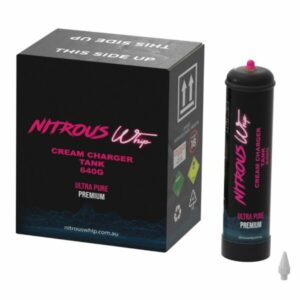
Whipped cream chargers are little metal canisters filled with nitrous oxide. When paired with a whipped cream dispenser, they enable users to produce freshly whipped cream easily. While these tools provide convenience and boost culinary experiences at parties and dining establishments alike, what are their implications for our environment?
How Do Whipped Cream Chargers Work?
Filling the Dispenser: The charger is placed into a specifically developed whipped cream dispenser.
Releasing Nitrous Oxide: When activated, N2O is launched into the dispenser.
Creating Whipped Cream: The pressure forces heavy whipping cream through a nozzle, aerating it into fluffy whipped cream.
While this procedure appears easy and safe, one must consider the lifecycle effect-- from Visit this link production to disposal-- of these chargers.
Greenhouse Gas Emissions from Whipped Cream Chargers
The ecological impact of nitrous oxide whipped cream chargers can be quantified by examining their contributions to greenhouse gas emissions throughout their life process:
- Production Emissions: Production metal canisters requires energy-intensive processes. Transport Emissions: Providing these products contributes further to their carbon footprint. Usage Emissions: Each charger releases roughly 8 grams of N2O when used.
Comparative Analysis: N2O vs CO2 Emissions
|Activity|CO2 Emissions (g)|N2O Emissions (g)|| ------------------------------|--------------------|--------------------|| Manufacturing (per battery charger)|5|0.1|| Disposal|0|Differs|
This table highlights not only the direct emissions connected with each activity however likewise emphasizes how relatively benign practices can build up substantial ecological costs over time.
Alternative Approaches for Producing Whipped Cream
Given the ecological ramifications connected with nitrous oxide use in whipped cream chargers, what options exist?
1. Manual Whipping
Using a whisk or electrical mixer permits users to whip heavy cream without relying on charged canisters. While this approach may need more time and effort, it eliminates unnecessary greenhouse gas emissions entirely.
2. Pumping Systems
Some makers have begun introducing manual pumping systems that utilize air instead of nitrous oxide to aerate creams. These systems allow for similar results without contributing additional greenhouse gases.
Sustainable Practices for Using Whipped Cream Chargers
If switching away from nitrous oxide isn't possible for your kitchen area or service setup just yet, embracing sustainable practices could assist mitigate some negative impacts connected with utilizing whipped cream chargers:

1. Accountable Sourcing
Look for providers who focus on sustainability in their manufacturing processes-- those that use recycled materials or energy-efficient approaches contribute less overall pollution.
2. Recycling Used Chargers
Many areas have recycling programs specifically targeting metal cylinders like those utilized in whipped cream chargers. Correctly disposing of or recycling these products minimizes landfill waste significantly.
3. Informing Consumers About Use Limits
Encouraging customers not to overuse these items helps minimize waste related to single-use items while still enjoying tasty creations.
FAQ Section
Q1: What are whipped cream chargers made from?
A1: Whipped cream chargers are typically made from stainless-steel or aluminum and consist of nitrous oxide (N2O).
Q2: Exist health threats connected with breathing in nitrous oxide?
A2: Yes! Inhaling nitrous oxide recreationally can lead to serious health problems including oxygen deprivation due to displacement of air in lungs; prolonged exposure can harm nerves as well.
Q3: Can I recycle my utilized whipped cream charger?
A3: Yes! Many locations accept metal containers like those used in whipped cream charges for recycling functions; check local policies for specifics!
Q4: How much nitrous oxide is released per charger?
A4: Each standard battery charger releases roughly 8 grams of nitrous oxide when used properly!
Q5: Are there environment-friendly alternatives available?
A5: Yes! Manual whipping methods or newer air-pumping systems use practical alternatives that don't rely on compressed gases for aeration purposes!
Q6: What's being done globally regarding nitrogen emissions?
A6: Various countries are enacting stricter guidelines around nitrogen emissions in farming & & market; researchers continuously seek innovative services like nitrification inhibitors!
Conclusion
While indulging in delightful treats topped with fresh whip from powered dispensers stays popular amongst lots of customers today-- the wider picture reveals worrying realities looped through an undetectable thread called "nitrogen." Understanding The Environmental Impact of Nitrous Oxide Whipped Cream Chargers requires us all engaging seriously about our options surrounding cooking devices while looking for sustainable courses forward any place possible! By going with more environmentally friendly methods or responsibly sourcing ingredients/products we stand better chance at protecting valuable communities moving into future generations ahead!
This short article acts as an exploration into both happiness & & duties linked within cooking world in the middle of rising concerns surrounding climate modification; ultimately motivating readers toward informed decisions every action along way!